
Security Awareness Training
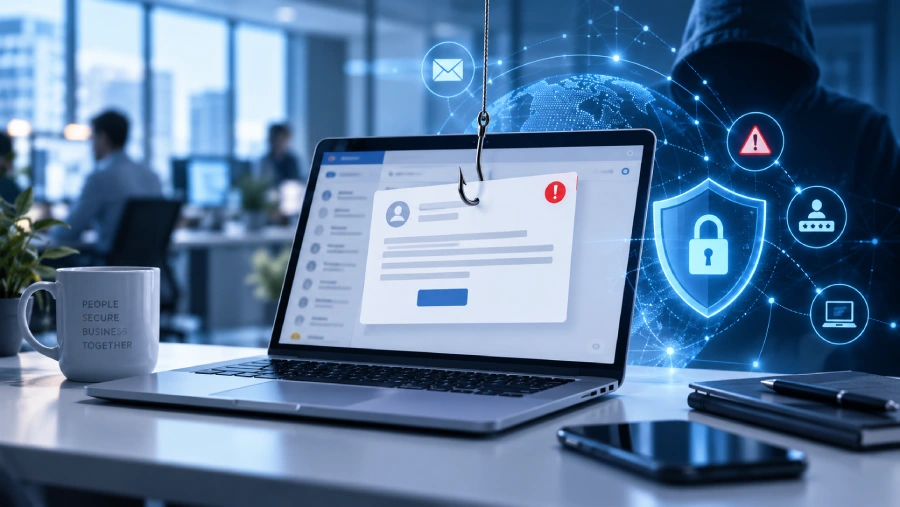
Employees Are Constantly Targeted by Cybercriminals
Phishing, social engineering, and fraudulent requests are designed to take advantage of busy employees. Security awareness training helps your team recognize suspicious activity and respond appropriately.
Phishing Messages Succeed
Fraudulent emails increasingly resemble legitimate business communications. One careless click can expose accounts, systems, or sensitive information.
Social Engineering Creates Pressure
Attackers impersonate executives, vendors, clients, or support personnel. Urgent requests can cause employees to bypass normal procedures.
Unsafe Habits Continue
Weak passwords, unapproved applications, and careless data handling can increase security exposure. Employees may not understand how everyday actions affect the business.
Suspicious Activity Goes Unreported
Employees may ignore warning signs or hesitate to report mistakes. Delayed reporting gives attackers more time to cause damage.
What Effective Security Training Looks Like
Practical Employee Education
Training uses understandable, real-world examples rather than overwhelming employees with technical language. Lessons focus on situations they are likely to encounter.
Ongoing Phishing Simulations
Controlled simulations help employees practice identifying suspicious messages. Results reveal where additional education may be needed.
Faster Incident Reporting
Employees learn how and when to report suspicious activity. Earlier reporting allows potential threats to be investigated sooner.
Continuous Security Reinforcement
Short, recurring training keeps cybersecurity visible throughout the year. Ongoing reinforcement helps safer habits become part of everyday work.
Our IT Solutions & Services
Cloud Backup and Recovery
VoIP Business Solutions
AI Services & Support
Security Awareness Training FAQs
What Does Security Awareness Training Cover?
Security awareness training teaches employees how to identify and respond to common cyber risks. Topics may include phishing, suspicious links, credential theft, password habits, social engineering, and safe information handling. The program should reflect the threats and work practices relevant to your organization.
Do You Provide Phishing Simulations?
Yes, phishing simulations can be used to test how employees respond to realistic messages in a controlled setting. These exercises help identify patterns that may require additional guidance. They are intended to support learning and improvement, not to embarrass employees.
How Often Should Employees Receive Security Training?
Training should be reinforced regularly rather than limited to a single annual session. The appropriate schedule depends on your risk profile, workforce, and internal requirements. NIC Group can help establish a practical cadence that keeps important behaviors visible.
Can Security Awareness Training Help with Compliance Requirements?
Training may support an organization’s broader efforts to address workforce security requirements. It does not guarantee compliance, and requirements vary by industry, regulation, and organization. Legal or compliance professionals should confirm which standards apply to your business.
Is Training Appropriate for Nontechnical Employees?
Yes, security awareness training is designed for employees across roles and technical skill levels. NIC Group explains threats in plain English and connects them to familiar workplace situations. The goal is to make safer behavior practical during normal work.
How Do We Get Started with Security Awareness Training?
Start by scheduling a discovery call to discuss your workforce, current policies, and primary security concerns. NIC Group can then assess where training may reduce risk and outline suitable next steps. You receive a clearer plan before deciding how to proceed.
Prepare Your Team to Respond More Safely
Schedule a consultation with NIC Group to discuss security awareness training for your New Jersey business. We will review your concerns and help you identify a practical approach to employee education and phishing preparedness.